
Video Sources 83 Views Report Error

Synopsis
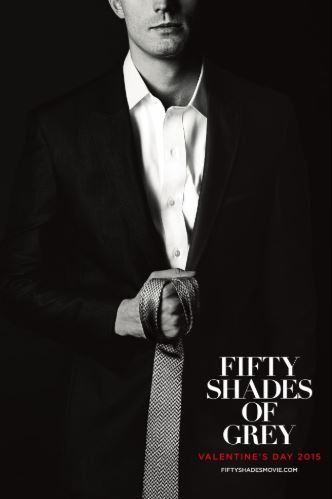
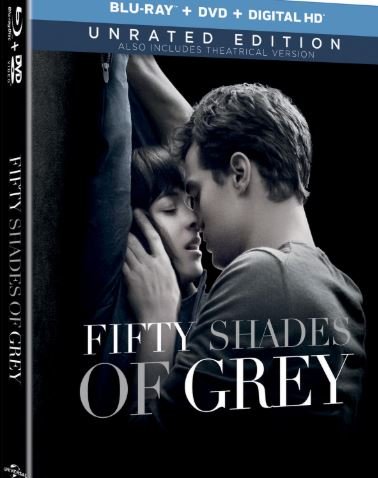
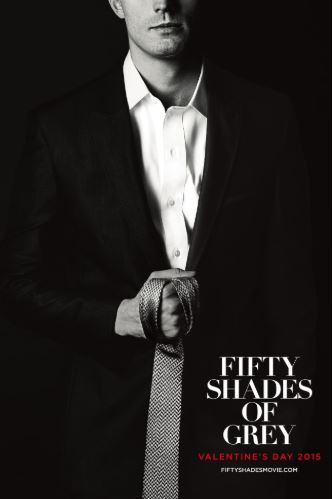
The “Fifty Shades of Grey” movie, released in 2015, brought E.L. James’s global phenomenon to the big screen, aiming to capture the intense romance and controversial themes that made the books bestsellers.
Key Aspects of the Movie:
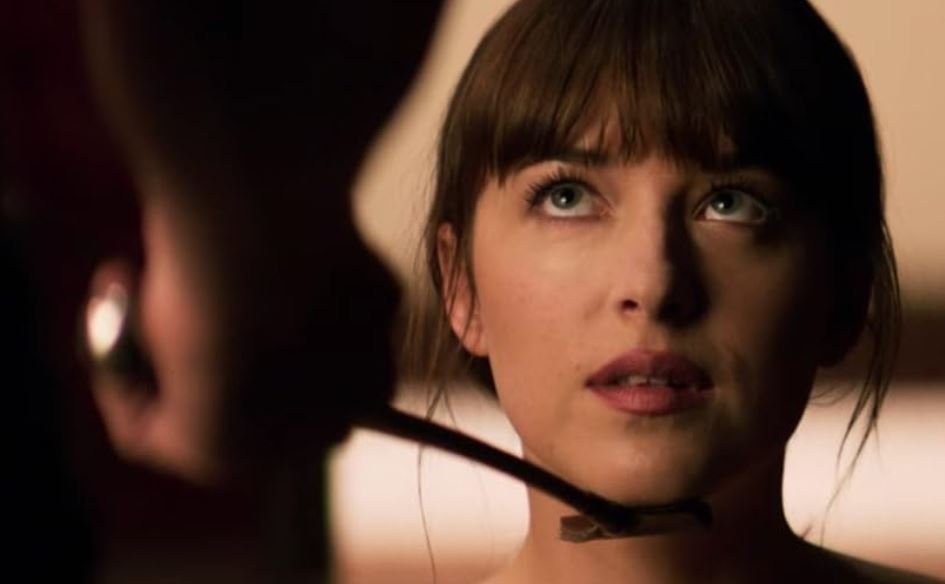
- Plot: The film faithfully follows the first novel’s storyline. It introduces Anastasia “Ana” Steele (played by Dakota Johnson), a naive English Literature student, when she steps in to interview the enigmatic billionaire Christian Grey (played by Jamie Dornan) for her college newspaper. Christian becomes immediately fascinated by Ana, and their professional encounter quickly spirals into a complex and sexually charged relationship. Christian reveals his “singular tastes” for BDSM (Bondage, Discipline, Dominance, Submission, Sadism, Masochism) and proposes a dominant/submissive contract, which Ana, a virgin with no experience in this world, grapples with throughout the film. The movie explores their intense sexual encounters, Christian’s controlling nature, and Ana’s struggle to understand his psychological complexities, stemming from his traumatic past. The film culminates with Ana’s decision to leave Christian after a particularly intense disciplinary scene, feeling she cannot endure his emotional distance and the demands of their dynamic.
- Cast:
- Dakota Johnson as Anastasia Steele: Johnson’s performance was often highlighted by critics as a strong point of the film, capturing Ana’s innocence, curiosity, and eventual emotional turmoil.
- Jamie Dornan as Christian Grey: Dornan took on the challenging role of the brooding and controlling billionaire.
- Supporting Cast: The film also features Eloise Mumford as Kate Kavanagh (Ana’s best friend), Jennifer Ehle as Carla Wilks (Ana’s mother), Marcia Gay Harden as Dr. Grace Trevelyan-Grey (Christian’s adoptive mother), and Rita Ora as Mia Grey (Christian’s sister).
- Director and Screenplay:
- The film was directed by Sam Taylor-Johnson.
- The screenplay was written by Kelly Marcel, based on E.L. James’s novel.
- Box Office Performance: Despite mixed-to-negative critical reception, “Fifty Shades of Grey” was a massive commercial success. Against a budget of $40 million, it grossed approximately $569.7 million worldwide, making it a significant box office hit for Universal Pictures. Its success paved the way for two sequels, “Fifty Shades Darker” (2017) and “Fifty Shades Freed” (2018), completing the trilogy.
- Critical Reception: Critics were largely divided on the film, with many reviews leaning towards negative.
- Common Criticisms: Reviewers often cited issues with the screenplay, dialogue, pacing, and the perceived lack of chemistry between the two leads. The film was also heavily scrutinized for its portrayal of BDSM, with many arguing it romanticized abusive behavior and simplified complex dynamics.
- Positive Points: Some critics did praise Dakota Johnson’s performance, as well as Sam Taylor-Johnson’s direction for attempting to focus on the emotional aspects and the visual style of the film, often noting it was “better than expected” given the source material. However, the explicit nature of the books was significantly toned down to secure an R-rating, which disappointed some fans looking for a more direct adaptation of the novel’s raw sexuality.
Overall, the “Fifty Shades of Grey” movie, much like the book, became a cultural talking point, drawing huge audiences and sparking continued debate about its themes, portrayals, and impact on the romance genre and mainstream cinema.
Beyond the Bedroom: The Psychological Landscape of “Fifty Shades”
While much of the discussion around Fifty Shades of Grey naturally centers on its explicit content, the series also delves into the complex psychological landscapes of its two main characters, Christian Grey and Anastasia Steele. For many readers, it was the push-and-pull of their emotional connection, rather than just the physical acts, that truly captivated.
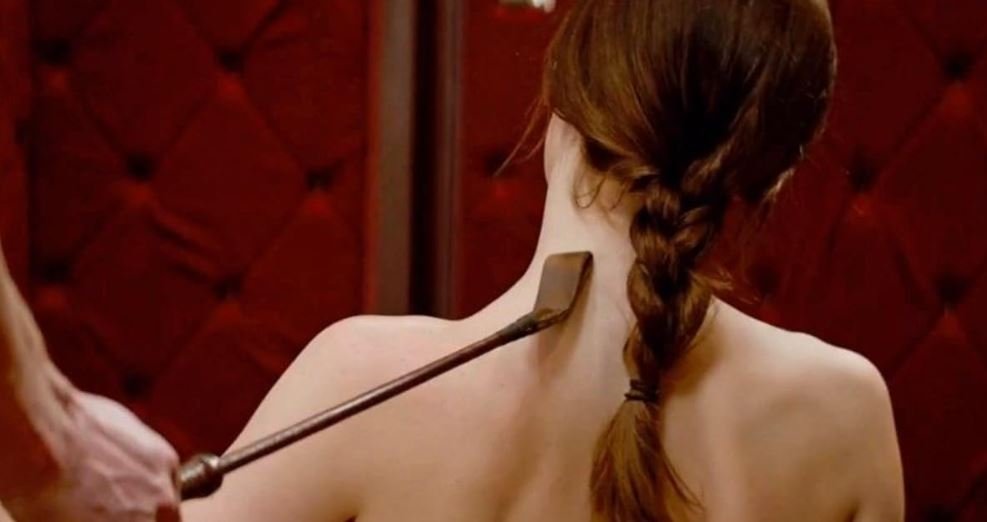
Christian Grey is presented as a man deeply scarred by a traumatic childhood, leading to his need for control, his aversion to romantic intimacy, and his specific sexual proclivities. His “Red Room of Pain” isn’t just a physical space; it’s a manifestation of his emotional walls and his struggle to form conventional bonds. Anastasia, on the other hand, is initially presented as innocent and unassuming, yet she possesses an underlying strength and curiosity that drives her to challenge Christian, to seek understanding, and ultimately, to demand emotional honesty from him.
Their dynamic became a focal point for discussion: Is Ana truly consenting, or is she being manipulated? Is Christian’s transformation believable, or does the narrative romanticize problematic behavior? These questions pushed readers to consider the nuances of power, trauma, and healing within relationships, even if the execution was often debated. The series, for all its sensationalism, did touch on themes of dependency, redemption, and the challenging work required to overcome past hurts for the sake of love.

The “Fifty Shades” Effect: How It Changed Publishing and Pop Culture
The impact of Fifty Shades of Grey extended far beyond its own sales figures. It had a tangible “effect” on several industries:
- The Romance Genre Exploded: The success of Fifty Shades threw open the doors for other authors to explore more explicit and diverse forms of romance. Publishers, realizing the massive market demand, began actively acquiring and promoting “spicy” romance novels. This led to a boom in subgenres like dark romance, contemporary erotic romance, and even “reverse harem” narratives. It normalized the idea that women wanted to read about sex and desire, unashamedly.
- A Boost for BDSM Education (and Misconceptions): While the series popularized the term BDSM, it also led to widespread misconceptions about its practice. True BDSM, as practiced by the community, emphasizes rigorous consent, safe words, negotiation, and clear boundaries. The books sometimes blurred these lines, leading to criticism from within the BDSM community. However, the increased public awareness also prompted many legitimate resources and educators to step forward, offering more accurate information and distinguishing fantasy from reality.
- The “Mommy Porn” Phenomenon: This often-derogatory term emerged to describe the demographic of primarily adult women who were reading and discussing the books. It highlighted a previously underserved market that craved passionate, adult-oriented stories that reflected their desires, separate from typical romance narratives aimed at younger audiences.
- Hollywood’s Embrace of Adult Themes: The box office success of the Fifty Shades movies, despite critical reception, demonstrated a significant appetite for adult-themed cinematic content that wasn’t necessarily horror or action. It showed studios that there was money to be made in adapting popular, sexually charged novels.
- Merchandise and Parodies Galore: The cultural impact was so pervasive that it led to everything from Fifty Shades-themed products (lingerie, toys) to countless parodies in film, television, and literature. When a property becomes so widely recognized that it can be effectively parodied, you know it’s truly embedded in the cultural consciousness.
Ultimately, Fifty Shades of Grey remains a polarizing but undeniable force in modern pop culture. It pushed boundaries, sparked conversations that were long overdue, and proved that the exploration of adult desire, however controversial, holds an enduring fascination for millions.
The Evolution of the “Fifty Shades” Fandom: From Secrecy to Open Discussion
One of the most fascinating aspects of the Fifty Shades of Grey phenomenon was the evolution of its fandom. In its early days, especially when it was still self-published or just gaining traction, there was an almost secretive camaraderie among readers. Women would often read the books on e-readers or discreetly in public, acknowledging a shared, slightly scandalous pleasure with a nod or a whispered recommendation.
This initial secrecy quickly gave way to a more open and vibrant community. Online forums, social media groups, and fan fiction sites buzzed with discussions about Christian and Ana, theories about their future, and debates about the ethical implications of their relationship. The fandom became a space for readers to:
- Share their fantasies: Many found validation in realizing that their desires, which might have felt private or even unusual, were shared by millions of others.
- Discuss sexual topics more openly: The books provided a convenient and often humorous entry point for conversations about sex, relationships, and even specific sexual practices that might otherwise have been difficult to initiate.
- Explore new literary avenues: The series introduced many to the broader world of romance novels, leading them to discover other authors and subgenres they might not have considered before.
This shift from quiet enjoyment to widespread public discourse was significant. It challenged the notion that certain topics, particularly female sexual desire and BDSM, should remain hidden or be discussed only in hushed tones. While the initial “hype” has faded, the “Fifty Shades” fandom, in its various iterations, left a lasting mark on how popular culture engages with and consumes adult romance. It paved the way for new forms of media consumption and communal discussion around once-taboo subjects.

Enduring Questions and Lingering Debates
Even years after the books and movies were released, Fifty Shades of Grey continues to spark debate and raise questions. Its impact is complex, with both perceived positives and undeniable negatives.
- Positive Impact: Many credit the series with demystifying BDSM (even if superficially) for a mainstream audience, normalizing conversations around female pleasure, and creating a massive commercial space for diverse romance narratives. It empowered many readers to feel more comfortable with their own sexual curiosities.
- Negative Impact: Critics often point to the series’ problematic portrayals of consent and abusive behavior, arguing that it romanticized a toxic relationship. Concerns were raised about the potential for readers to misunderstand genuine BDSM practices, which are founded on explicit, enthusiastic consent and safety. The simplistic character development and repetitive plot points also drew criticism from a literary perspective.
The legacy of Fifty Shades of Grey is therefore not monolithic. It’s a testament to the power of a story that, despite its flaws, struck a chord with a vast audience, reflecting and in turn influencing societal conversations about intimacy, power, and desire in the 21st century. It remains a fascinating case study in how popular culture can both reflect and shape our understanding of complex human relationships.





ITs True?

Original title fifty shades of grey
IMDb Rating 7.2 14,594 votes
TMDb Rating 7.2 14,594 votes
Links
| Options | Quality | Language | Size | Clicks | Added | User |
|---|---|---|---|---|---|---|
 Watch online Watch online | 4k 2160p | English | 1.1GB | 39 | 10 months | Dominictoretto1432@gmail.com |
Similar titles